Selling an inherited house in Tulsa usually requires probate first, because the person on the deed has died and no one else has legal authority to sign. The exceptions are real and worth checking before you hire anybody: a recorded transfer-on-death deed, a living trust, or joint tenancy with right of survivorship all move title without probate. If none of those apply, Oklahoma's summary administration under 58 O.S. § 245 typically runs 50 to 90 days, and a regular probate more often takes 6 to 12 months.
Almost every family I meet in this situation is in the same spot: someone died several months ago, the house is sitting empty in Tulsa with the utilities still on, nobody has filed anything, and everyone is waiting for someone else to move first. The waiting is the expensive part. Taxes, insurance, and a vacant house that nobody is checking on cost real money, and none of it is buying you a better outcome.
So here is the order things actually happen in, what each step costs, and where you have a real decision to make.
Do you have to go through probate to sell an inherited house in Oklahoma?
Usually yes, but check the three exceptions first because they take an afternoon and can save you months.
A recorded transfer-on-death deed. Oklahoma's Nontestamentary Transfer of Property Act (58 O.S. § 1252) lets an owner name a beneficiary who takes the property at death with no probate. The deed had to be recorded with the county clerk before the owner died. After the death, the beneficiary has to record a notarized affidavit with a death certificate attached — and here is the trap — within nine months. Miss that window and the house reverts to the estate and goes through probate after all. Pull the deed record at the Tulsa County Clerk before you assume anything.
A living trust. If the house was deeded into a trust, the successor trustee can sell it without court involvement. Plenty of families set up a trust and then never actually transferred the house into it, so confirm the deed itself, not the binder on the shelf.
Joint tenancy with right of survivorship. A surviving spouse or co-owner named this way takes full ownership by recording an affidavit of surviving joint tenant. Tenants in common is a different animal — that share does go through probate.
One thing that will not help you: Oklahoma's small estate affidavit covers personal property of $50,000 or less and does not cover real estate at all. If the asset is a house, that shortcut is closed.
How long does probate take in Tulsa County before you can sell?
Summary administration runs roughly 50 to 90 days from filing to final order, and a regular administration more often runs 6 to 12 months. Contested estates go longer, sometimes years.
Summary administration under 58 O.S. § 245 is the faster track, and it's available if any one of three things is true: the estate is at or under the statutory value ceiling, the decedent died more than five years ago, or the decedent lived in another state at death. That value ceiling was $200,000 for years; Oklahoma raised it in 2026 through HB 2650, which the governor signed in April. Ask your attorney which figure applies on your filing date — with Tulsa's median sale price sitting near $260,000, that threshold is exactly the difference between a two-month process and a year-long one for a lot of families.
Costs are more predictable than people fear. Court filing fees run about $200 to $250. Notice publication runs roughly $100 to $250. Attorney compensation in Oklahoma probate is set by statute on a sliding scale rather than negotiated hourly, which works out to somewhere around $5,000 on a $200,000 estate. Get a written quote before you engage anyone.
The delay that actually costs families money isn't the court. It's the six or eight months before anybody files. If you already know the house is being sold, file first and sort out the rest while the clock runs.
What taxes do you owe when you sell an inherited house?
Far less than most people brace for, because of the stepped-up basis. Your cost basis is the fair market value on the date of death, not what your parents paid in 1987.
Say they bought the house for $48,000 and it was worth $240,000 the day they died. Your basis is $240,000. Sell it for $245,000 and you have about $5,000 of gain before selling costs — not $197,000. Sell it for less than the date-of-death value and you may have a deductible loss. Gain on inherited property is treated as long-term no matter how briefly you held it.
This is the practical reason to get a dated valuation early. A formal appraisal as of the date of death is the cleanest support for that basis number, and it costs a few hundred dollars against a five-figure tax question. If the house sells within a year or so of the death, the sale price itself is usually strong evidence of value.
Oklahoma has no state inheritance tax and no state estate tax. Federal estate tax only reaches very large estates. And if the house was rented out after the death, depreciation and the rest of the rental rules come into play — I've written separately about selling a rental property with tenants in Tulsa if that's where you've ended up. I'm not your CPA and this isn't tax advice; it's the shape of the question so you know what to ask.
Should you sell the inherited house as-is or fix it up first?
It comes down to two things you can measure this week: how much deferred maintenance the house is carrying, and whether the heirs are in town.
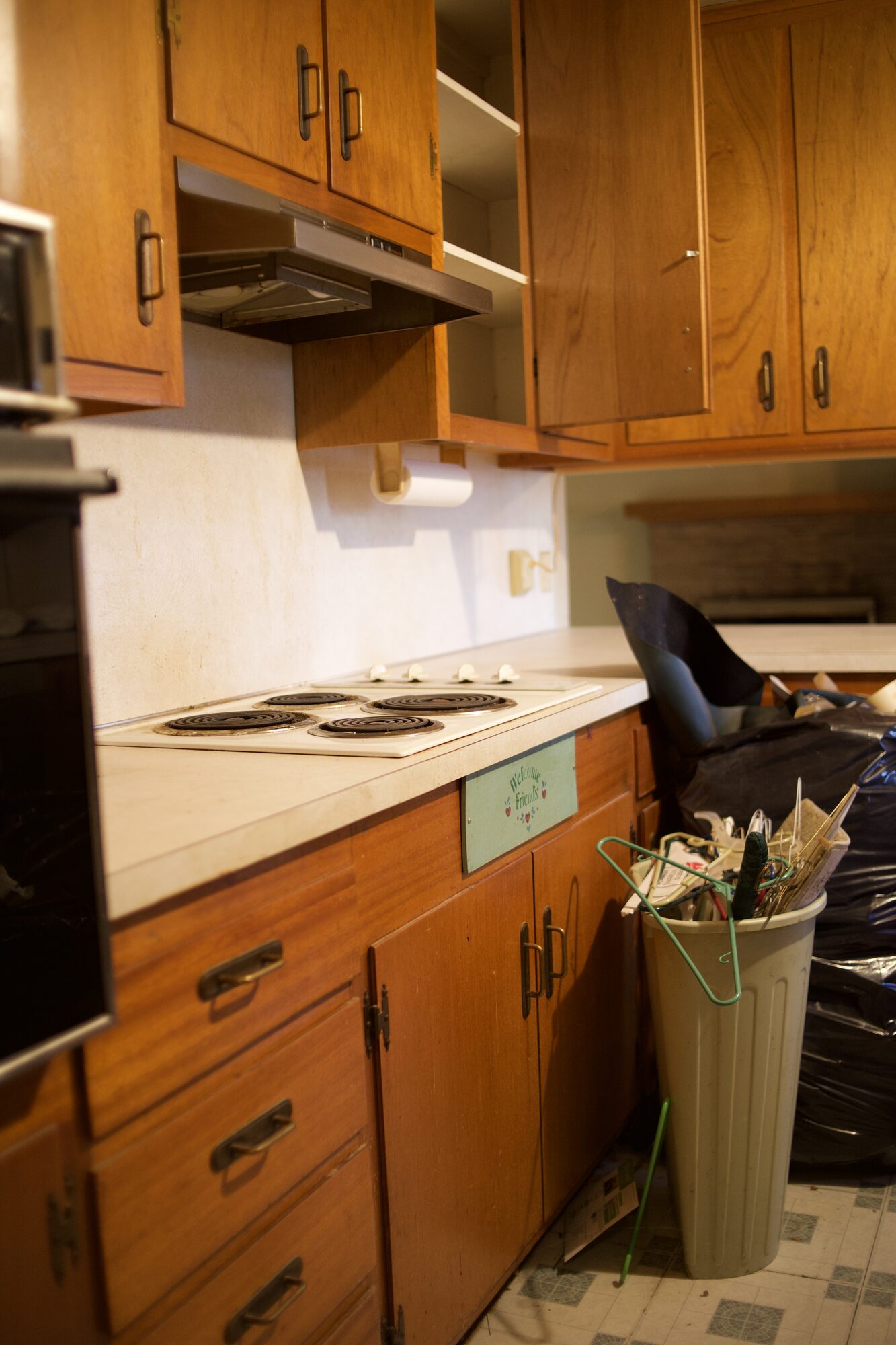
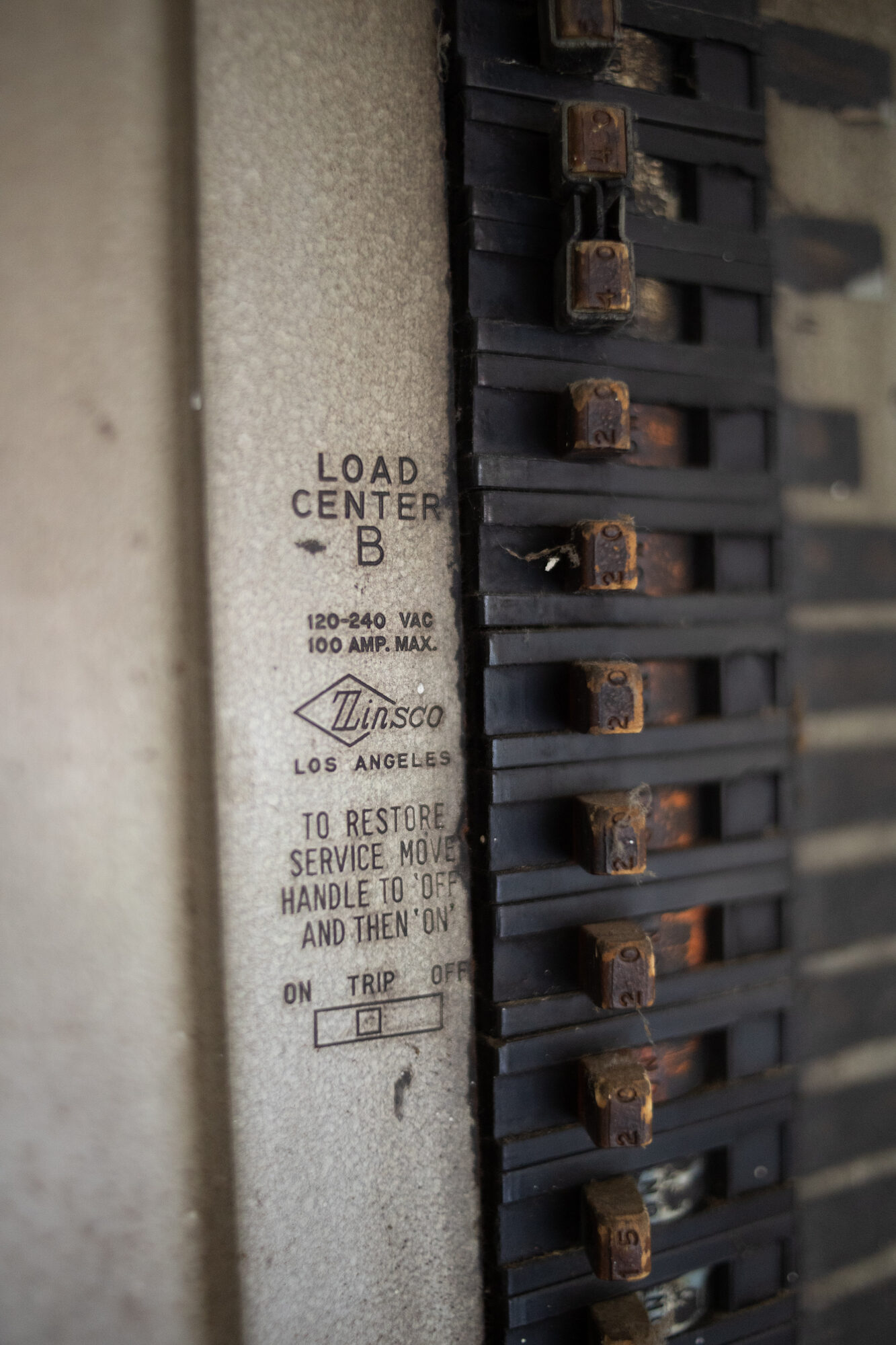
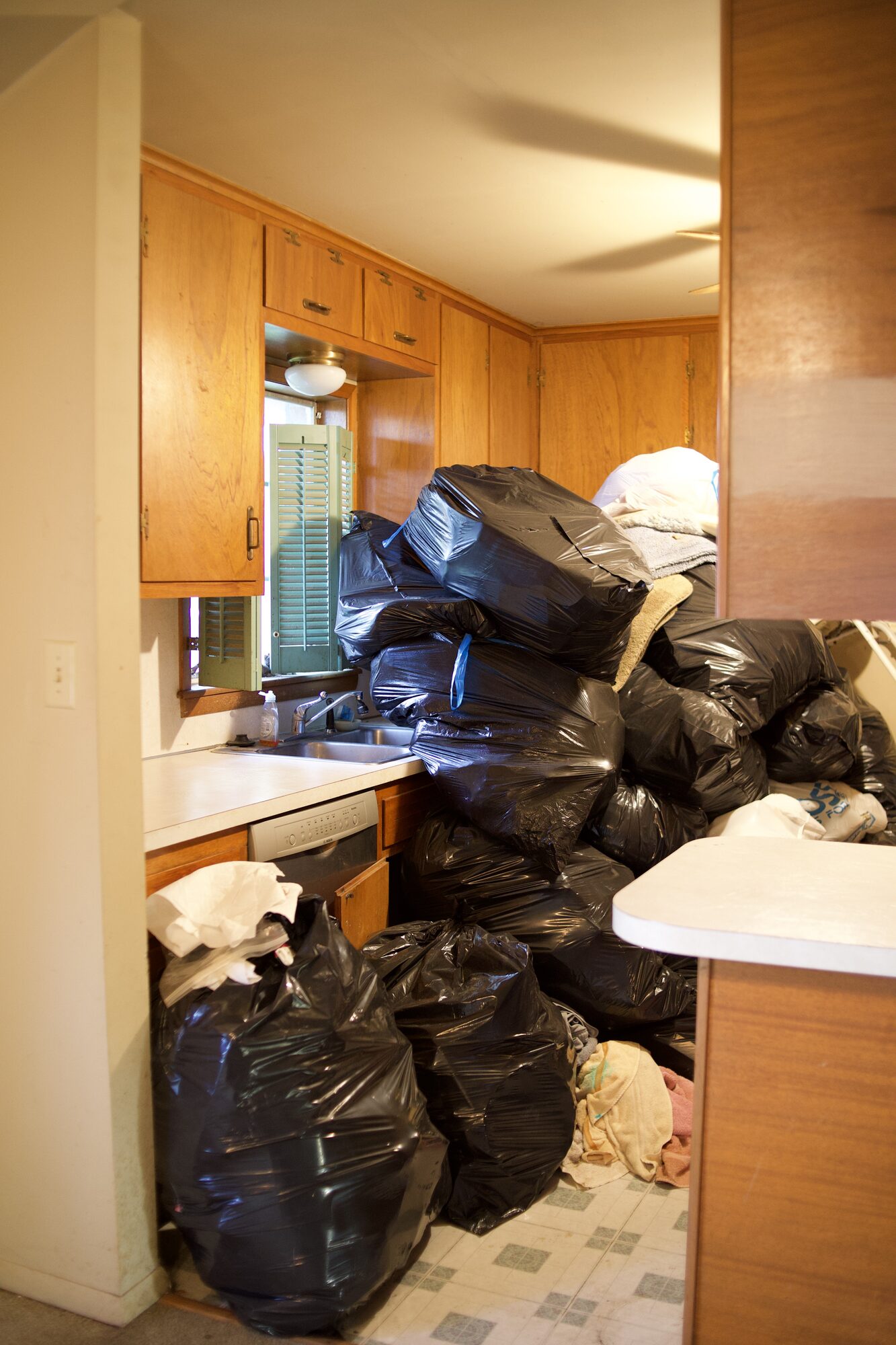
Estate houses are a specific kind of property. The last five to ten years of upkeep were often deferred because the owner was elderly or ill. That means original HVAC, a roof past its date, a 1970s electrical panel, and sometimes a foundation issue nobody mentioned. On my own flips, foundation surprises are the number one budget killer, and estate houses are where they hide. Add a garage and three bedrooms of contents that have to go somewhere before anyone can even see the floors.
| Your situation | List on the market | Sell as-is |
|---|---|---|
| House is clean and updated | Clearly better | Leaves money behind |
| Major systems at end of life | Buyers discount hard | Usually better |
| House is full of contents | Must clear it first | Sold with contents |
| Heirs live out of state | Someone has to manage it | Much simpler |
| Heirs disagree on price | Market sets it | One number, fast |
| Estate needs cash for costs | Months of carry first | Close in 7–21 days |
| Net proceeds | Highest, if it shows well | Lower, by design |
A tidy, market-ready house in Broken Arrow or Owasso should be listed. Tulsa homes sold at about 97.9% of list price with a median 23 days on market over the three months ending August 2026 — that's a functioning market, and an owner-occupant buyer with a loan will pay retail for something they can move into. Don't hand that away out of exhaustion.
The as-is route is honest arithmetic in the other direction. An investor buying a rehab project in Tulsa pays roughly 65–80% of after-repair value minus the repair budget. That discount is the price of speed, certainty, and not having to clean out the garage. For an out-of-state heir carrying insurance on an empty house they've never seen, that trade is often worth it. For a family sitting in Jenks with a clean house and time, it usually isn't.
Where I sit in this: I hold a license and I also buy houses directly. If listing nets your family more, I'll tell you that and list it for you. My free deal analyzer will also let you run the repair and holding-cost math yourself before anyone quotes you a number.
What happens when the heirs don't agree?
Any co-owner can file a partition action in district court and force a sale — and almost nobody should. It's slow, the legal fees come out of everyone's share, and the property usually sells for less than a normal listing would have brought.
Two things resolve most of these before they get there. First, get an independent number. A lot of family disagreements are really two people arguing from two different guesses about what the house is worth; an appraisal or a real market analysis ends that argument in a week. Second, price the buyout honestly. If one sibling wants to keep the house, they can finance a loan against it and pay the others out at the appraised value minus what a sale would have cost. That's usually cheaper for everyone than splitting the difference in court.
And put the personal-property question on its own track. More estates stall over furniture and a truck than over the house.
A forced co-ownership you did not choose is not only an estate problem. If you are dividing a house in a marriage rather than an estate, the rules are different and stricter — see selling a house during divorce in Tulsa.
What should you actually do first?
In order, and most of this is free:
- Pull the deed at the Tulsa County Clerk. It tells you whether this is a probate at all.
- Check for a will, a trust, and any transfer-on-death deed — and note the date of death, because that nine-month TOD window is unforgiving.
- Confirm the hazard insurance is in force and that the carrier knows the house is vacant. Most standard policies restrict coverage after 30 or 60 days of vacancy. This is the one that bites.
- Keep the mortgage, property taxes, and utilities current while the estate is open. If payments have already lapsed, read selling a house before foreclosure in Tulsa before anything else — that clock does not wait on probate.
- Get a date-of-death valuation for the tax basis.
- Talk to a probate attorney about summary versus regular administration before you assume you're stuck with the long version.
Frequently Asked Questions
Can you sell an inherited house in Tulsa before probate is finished?
You can sign a contract and open escrow while probate is pending, but you cannot deliver clear title until the court has authorized the sale or the estate has been distributed. In practice that means listing early and setting a closing date that gives the court room. Tell your buyer up front that the timeline depends on a docket, not on you.
How long does Oklahoma probate take before a house can be sold?
Summary administration under 58 O.S. § 245 generally runs 50 to 90 days from filing to final order. A regular administration more often takes 6 to 12 months, and longer if heirs disagree or the will is contested. Nothing starts until someone files the petition, so the biggest delay is usually the months before anyone goes to the courthouse.
Do you pay capital gains tax when you sell an inherited house in Oklahoma?
Only on the gain above the property's stepped-up basis, which is its fair market value on the date of death rather than what the deceased originally paid. A house worth $240,000 at death that sells for $245,000 produces about $5,000 of gain before selling costs, not decades of appreciation. Gain on inherited property is treated as long-term regardless of how briefly you owned it.
Does Oklahoma have an inheritance tax or estate tax?
No. Oklahoma has no state inheritance tax and no state estate tax. Federal estate tax applies only to very large estates, so for the ordinary Tulsa house the tax question is capital gains on the sale, not a tax on the inheritance itself.
What happens if one sibling refuses to sell the inherited house?
Any co-owner can file a partition action in district court, which can force a sale and divide the proceeds. It is slow and the legal fees come out of everyone's share, so it is a last resort. The cheaper fix is usually one heir buying out the others at an appraised value, financed by a loan against the property.
Can you sell an inherited house that still has a mortgage on it?
Yes. The mortgage is paid off at closing out of the sale proceeds, exactly as it would be on any other sale. Keep the payments, taxes, and insurance current while the estate is open, because a lapsed hazard policy on a vacant inherited house is the single most common way families lose real money in this process.
The short version
Check the deed before you assume probate. If you do need it, find out whether summary administration is available, because that's a two-month process instead of a year. Get a date-of-death value for your tax basis while it's easy to establish. Then make the list-or-sell-as-is call on the actual condition of the house and the actual distance between the heirs and Tulsa — not on how tired everyone is.
If you want a straight read on which way your family's house should go, I'll give you one. More about how I work, or send the details through the property intake form and I'll tell you what it's worth listed and what I'd pay for it directly. Before you compare those two numbers, it's worth seeing what selling a house in Tulsa actually costs — commission is only part of it.